
Understanding Seasonal Fried Food Recipes in Commercial Kitchens
Seasonal fried food recipes represent targeted culinary preparations that pair fresh, season-specific ingredients with specialized breading and batter blends for optimal texture and flavor. Commercial food service operations implement these rotating dishes to align with harvest cycles, manage food costs, and satisfy consumer demand for seasonal flavor profiles. Using standardized dry coating blends ensures consistent adhesion and crispness across every batch regardless of ingredient moisture variation.
Fresh spring and summer ingredients present specific challenges for deep frying. Higher moisture levels in seasonal vegetables like zucchini, green tomatoes, and okra often cause breading to slip off during thermal processing.
- Problem: Excess surface moisture in fresh produce dilutes traditional coatings, leading to soggy textures and fast oil degradation in commercial deep fryers.
- Solution: Foodservice operators utilize Krispy Mixes customized starch and cornmeal breaders. These engineered dry blends absorb excess surface moisture, bond directly to the food substrate, and seal in natural juices during frying.
Adapting your menu to spring and summer harvests keeps customer engagement high. Light seafood coatings and zesty pepper-infused breaders excel during warmer months. Commercial kitchens, high-volume restaurants, and catering operations apply lighter batter systems to seasonal fried food recipes to maintain crispiness without weighing down the dish. Maintaining commercial deep fryers at 350°F to 375°F ensures rapid heat transfer, following standard FDA food code guidelines for optimal safety and texture. High-grade soybean or peanut oils with elevated smoke points preserve clean flavor profiles throughout peak service hours.
Adapting Menus with Spring and Summer Batter Techniques
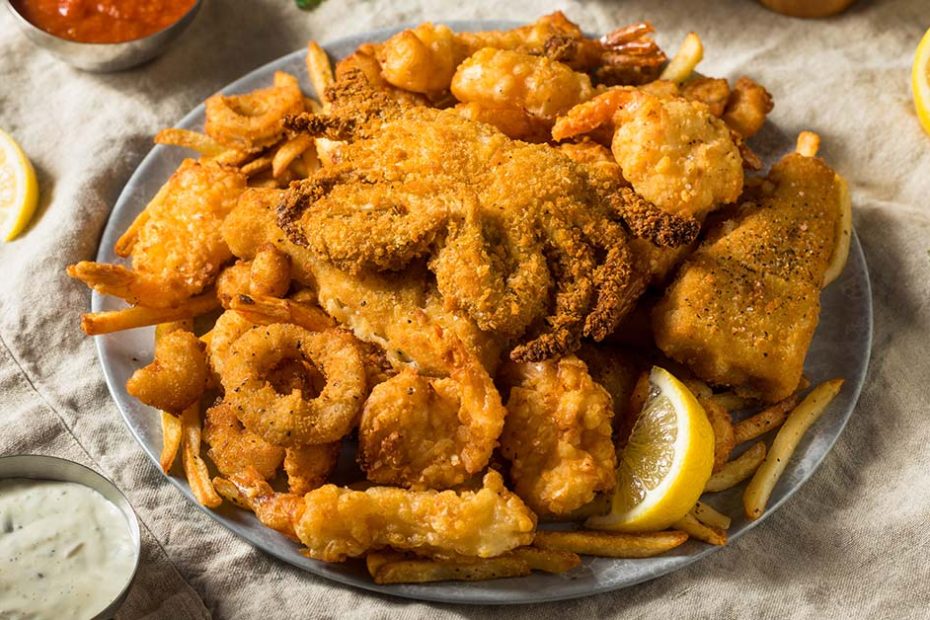
Warmer seasons call for vibrant flavors and lighter coating profiles. Seafood harvests bring fresh shrimp, oysters, and catfish into peak availability. Lightly seasoned cornmeal blends and tender wheat flour coatings deliver crisp bite while highlighting the natural sweetness of fresh catch.
Menu developers often pair summer crops with specialized batters. Green tomatoes, yellow squash, and eggplant slices require precise breading adhesion to prevent oil absorption. Pre-dredging vegetables in a specialized egg wash replacement before coating stabilizes the outer shell.
- Select fresh, dense produce with low surface bruising.
- Slice vegetables uniformly to guarantee equal cook times across batches.
- Apply Krispy Mixes specialized vegetable breaders to establish a protective barrier against oil intrusion.
- Fry ingredients in NSF-certified commercial equipment at steady thermal thresholds.
These streamlined preparation protocols reduce prep labor and eliminate ingredient waste in busy commercial kitchens. Pre-mixed dry formulations guarantee uniform spice dispersion, so every portion delivers identical flavor and appearance.
Mastering Seasonal Fried Food Recipes for Autumn and Winter
Colder weather shifts consumer preferences toward rich, comforting, and hearty fried items. Autumn and winter menus thrive on robust protein offerings, dense root vegetables, and bold Cajun or Southern spice blends. Crafting successful seasonal fried food recipes for winter months requires heavier breader formulations that retain heat and structure during service.
Plunging temperatures during cold weather operations introduce distinct kitchen challenges. Cold raw ingredients lower oil temperatures inside deep fryers rapidly, increasing thermal recovery time and causing heavy oil absorption.
- Problem: Cold raw protein drops fryer oil temperatures below critical cooking thresholds, causing greasy, undercooked coatings.
- Solution: Kitchen teams utilize Krispy Mixes high-adhesion chicken and protein breaders combined with controlled pre-dusting techniques. These specialized formulations seal fast under rapid temperature shifts, preventing oil penetration even during batch temperature drops.
In accordance with USDA thermal processing standards, commercial cooks must ensure fried poultry reaches an internal temperature of 165°F. Utilizing custom hot marinades and savory breading blends locks in natural moisture during extended fry times. Winter items like spicy fried chicken, buttermilk-battered pork chops, and savory hush puppies provide the substantial, flavorful comfort that colder months demand.
Optimizing Frying Operations for Year-Round Consistency
Maintaining high culinary standards across changing seasons requires rigorous kitchen protocols and quality ingredients. Environmental humidity, ambient room temperature, and seasonal crop variations continuously impact breading performance. Commercial kitchens, retail food service establishments, and mobile food units depend on pre-blended dry coatings to maintain consistency across every shift.
Krispy Mixes formulates over one hundred proprietary breadings, batters, and seasonings to solve seasonal kitchen variables. High-capacity manufacturing creates perfectly uniform blends, eliminating flavor hot spots caused by incomplete hand mixing. Sturdy triple-walled packaging shields the dry blends from ambient moisture, preserving shelf stability across variable warehouse conditions.
Standardizing coating procedures across spring, summer, fall, and winter yields predictable food costs and high customer satisfaction. Restaurant teams eliminate measuring errors, shorten prep times, and deliver superior taste with every batch. Pairing quality seasonal ingredients with specialized commercial breadings guarantees year-round menu success.