
The American South is a melting pot of culinary traditions, each with its own rich history and distinct flavor profile. Among the most celebrated are Southern and Cajun cuisines. While they share a geographical location and a love for deep, satisfying flavors, they are far from the same. People often confuse the two, but understanding their unique characteristics is the key to truly appreciating them. At Krispy Mixes, we celebrate the diverse flavors of the South, and we want to help you understand the difference between Southern and Cajun cuisine so you can master them both in your own kitchen.
A Shared Heritage, A Different Path
Southern cuisine, in its broadest sense, reflects the diverse history of the entire region, with influences from West African, Native American, and European traditions. It is a style of cooking built on hospitality and comfort, often featuring dishes that feed a crowd. Cajun cuisine, on the other hand, is a much more specific culinary tradition. It was created by the Acadians, French Canadians who were expelled from Nova Scotia and settled in the bayous of Louisiana. Their isolation led them to develop a unique, self-sufficient cooking style based on local ingredients and a “one-pot” mentality.
The Key Differences in Southern and Cajun Cuisine
The most noticeable distinctions lie in the core ingredients and cooking methods. While both cuisines use staples like rice and pork, their foundational elements are different. Southern cooking is often defined by the “trinity” of butter, bacon grease, and flour, used to create rich gravies and creamy sauces. Meanwhile, Cajun cuisine relies on a “holy trinity” of bell peppers, onions, and celery. The spices also tell a different story. Southern food favors a gentle heat and savory herbs like thyme, rosemary, and sage. Cajun food is known for its bold, fiery kick from a heavy use of cayenne pepper, paprika, and black pepper, creating a much more assertive flavor profile. Understanding these core components is the first step to truly appreciating the difference between Southern and Cajun cuisine.
The Heart of Southern Cooking
Southern cuisine is a broad category encompassing everything from the Appalachian mountains to the coastal plains. Its signature dishes are full of comfort and abundance. Think of crispy fried chicken, creamy macaroni and cheese, and flaky buttermilk biscuits. The cooking methods are varied, from deep frying and slow roasting to baking. We cook food with a lot of love and an emphasis on rich, satisfying flavors. This is the food of family gatherings and Sunday dinners, and it represents a warm, welcoming approach to cooking.
The Soul of Cajun Cooking
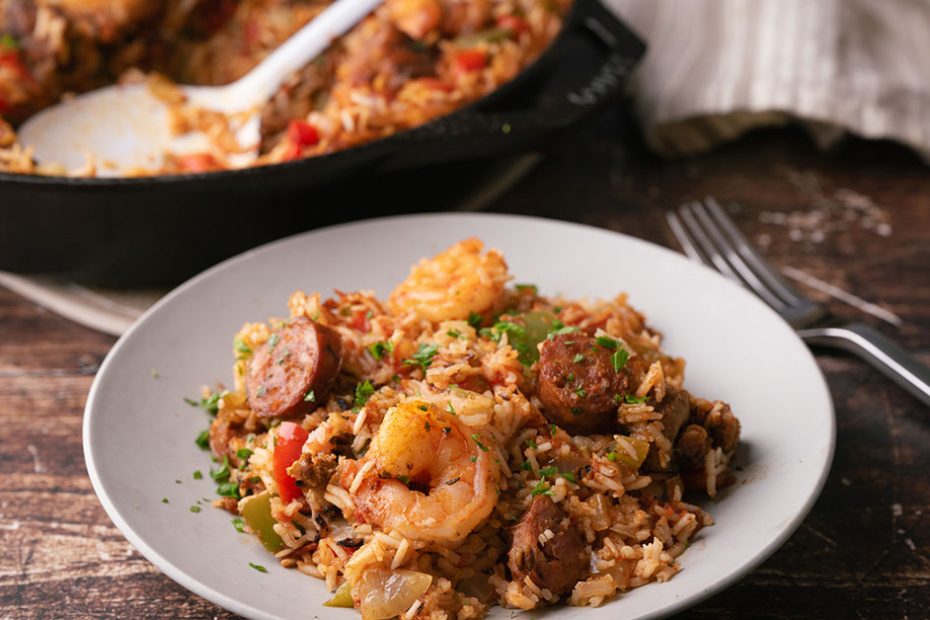
Cajun food, by contrast, is known for its intense, rustic flavors. The cooking often starts with a dark roux, a slow-cooked blend of flour and fat that gives gumbos and étouffées their characteristic deep, earthy flavor and color. It’s a style of cooking that makes use of every part of an animal and every available ingredient from the bayou. Dishes like jambalaya and boudin are true testaments to the resourcefulness and ingenuity of the Acadians. When you taste a dish, you are experiencing the fiery and bold flavors that define the unique style of Cajun cooking. The distinction in flavors and preparation is what truly separates Southern and Cajun cuisine.
The Krispy Mixes Connection
At Krispy Mixes, we have a deep appreciation for both of these incredible culinary traditions. We offer a range of products that can help you achieve authentic results, whether you’re frying chicken in the Southern style or creating a spicy Cajun dish. Our classic breadings are perfect for a traditional Southern fry, while our spicier blends are ideal for bringing the bold heat of the bayou to your kitchen. We aim to provide the tools you need to explore and master the unique qualities of both Southern and Cajun cuisine.
In conclusion, while both cuisines are delicious, they are distinct in their history, ingredients, and techniques. Next time you’re in the kitchen, take a moment to appreciate the subtle differences and choose your path—whether it’s the warm comfort of Southern cooking or the fiery passion of Cajun.